Introduction to Cardiac Attacks
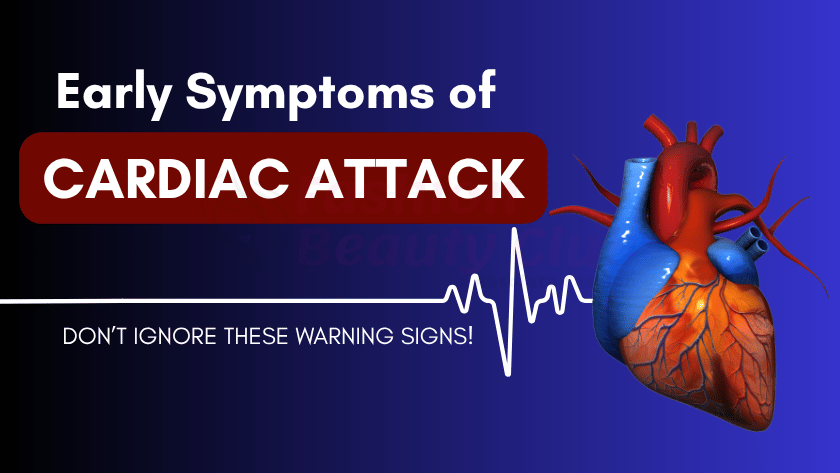
A cardiac attack, more commonly known as a heart attack, occurs when a blockage in the arteries cuts off blood flow to the heart. Without oxygen-rich blood, heart tissue begins to die within minutes. Recognizing the early symptoms of a cardiac attack can save lives—including your own.
What Happens During a Cardiac Attack?
A heart attack typically begins when plaque—a mix of fat, cholesterol, and other substances—builds up in the coronary arteries. If this plaque ruptures, a blood clot forms and can block blood flow. The result? The heart muscle is starved of oxygen.
Key terms to understand:
- Myocardial infarction: the medical term for heart attack
- Ischemia: lack of blood supply
- Arrhythmia: irregular heartbeat, which may occur during or after a cardiac event
Why Recognizing Early Symptoms Matters
The faster someone receives medical treatment during a heart attack, the greater their chances of survival. Time is muscle—every moment without oxygen causes more heart tissue to die.
Ignoring the symptoms can lead to:
- Permanent heart damage
- Heart failure
- Cardiac arrest
- Death
Most people delay getting help because they don’t recognize the signs or think it’s something minor. Don’t let that be you.
Who Is at Risk of a Cardiac Attack?
Heart attacks can strike anyone, but certain groups are at higher risk:
| Risk Factor | Details |
|---|---|
| Age | Risk increases after 45 for men, 55 for women |
| Family History | Genetic predisposition to heart disease |
| Smoking | Damages blood vessels and reduces oxygen to the heart |
| Diabetes | Increases plaque buildup and blood clot risk |
| High Blood Pressure | Puts strain on heart and arteries |
| High Cholesterol | Leads to plaque deposits in arteries |
| Obesity | Increases blood pressure, cholesterol, and diabetes risk |
| Sedentary Lifestyle | Lack of exercise weakens the heart |
Even young adults aren’t immune—poor diet, stress, and lack of exercise are causing more early-onset heart issues than ever before.
10 Early Warning Signs You Should Never Ignore
Here are the top 10 early symptoms of a cardiac attack that you need to watch for. Some may seem unrelated but are critical indicators.
1. Chest Pain or Pressure
The most classic symptom of a heart attack:
- Feels like tightness, pressure, or squeezing
- Often starts in the center or left side of the chest
- Lasts more than a few minutes, or goes away and comes back
It may feel like someone is sitting on your chest.
2. Pain Radiating to Other Parts of the Body
Heart-related pain can spread to:
- Left arm (most common)
- Back
- Jaw
- Neck
- Shoulders
- Upper abdomen
This radiating pain often confuses people—they think it’s a pulled muscle or gas.
3. Shortness of Breath
Even without chest pain, feeling out of breath can be a red flag.
- May feel like you’re panting after climbing stairs, even at rest
- May be accompanied by chest tightness or anxiety
4. Cold Sweats
Sudden sweating, especially when you’re not exerting yourself, is a big red flag.
- Feels like breaking into a sweat from fear
- Can be cold and clammy
- Often overlooked as stress or menopause
5. Nausea or Vomiting
This is especially common in women.
- Feels like indigestion or food poisoning
- May include bloating or abdominal discomfort
If you’re nauseated and also feel dizzy, call for help.
6. Dizziness or Light-headedness
Heart attacks can reduce blood flow to the brain.
- You may feel like fainting or losing balance
- Often linked to irregular heartbeat
7. Fatigue or Unusual Weakness
Extreme tiredness that doesn’t improve with rest can be a precursor to a heart attack.
- Happens days or weeks before the event, especially in women
- Simple tasks like walking or climbing stairs become exhausting
8. Irregular Heartbeat or Palpitations
Feeling like your heart is:
- Racing, fluttering, or skipping beats
- Beating too hard or too fast
- May be accompanied by shortness of breath or dizziness
9. Indigestion or Heartburn-like Symptoms
Many people confuse a heart attack with acid reflux.
- A burning feeling in the chest or throat
- Accompanied by nausea, bloating, or burping
10. Anxiety or a Sense of Doom
Many survivors describe a feeling of dread or panic just before their heart attack.
- May include hyperventilation or sudden anxiety
- Often mistaken for a panic attack
Gender-Specific Symptoms: How Men and Women Differ
| Symptom | Men | Women |
|---|---|---|
| Chest Pain | Common and intense | May be milder or absent |
| Shortness of Breath | Common | Very common |
| Fatigue | Sometimes | Extremely common |
| Jaw/Back Pain | Less common | More common |
| Nausea/Vomiting | Less common | Common |
Silent Heart Attacks: No Symptoms, Big Danger
Some heart attacks don’t present any of the classic symptoms. These are called “silent” heart attacks and are especially dangerous because:
- They go unnoticed and untreated
- They still cause damage
- They are more common in diabetics and older adults
A routine ECG or stress test can detect silent damage—don’t skip regular checkups!
What to Do If You Notice These Symptoms
- Call emergency services immediately (911, 108 in India)
- Chew an aspirin (if not allergic) while waiting
- Don’t drive yourself—wait for an ambulance
- Stay calm and sit down to prevent injury from fainting
Prevention Tips to Keep Your Heart Healthy
- Eat more whole grains, fruits, and vegetables
- Limit sodium, sugar, and saturated fats
- Exercise for at least 30 minutes a day
- Quit smoking and limit alcohol
- Control diabetes, blood pressure, and cholesterol
Lifestyle Changes That Make a Difference
| Change | Impact on Heart Health |
|---|---|
| Daily Walking | Strengthens heart and improves circulation |
| Quitting Smoking | Reduces heart disease risk by 50% in one year |
| Stress Management | Lowers blood pressure and inflammation |
| Regular Check-ups | Helps detect issues early |
FAQs on Early Cardiac Symptoms
Q1. Can heart attacks happen without chest pain?
Yes. Especially in women, diabetics, and older adults, other symptoms like fatigue or nausea may dominate.
Q2. How long before a heart attack do symptoms appear?
Some warning signs can appear weeks in advance, like fatigue or indigestion. Others come suddenly.
Q3. Are women’s symptoms different from men’s?
Yes. Women may have jaw pain, fatigue, nausea, or back pain, instead of classic chest pain.
Q4. What’s the difference between a panic attack and a heart attack?
They share symptoms like chest tightness and anxiety, but a heart attack often includes shortness of breath, sweating, and radiating pain.
Q5. How can I know if it’s just indigestion or a heart attack?
If it’s accompanied by sweating, jaw or arm pain, or breathlessness, don’t take chances—get medical help.
Q6. What’s the first thing to do if I think I’m having a heart attack?
Call emergency services, chew aspirin (if safe), and remain calm until help arrives.
Conclusion: Stay Alert, Stay Alive
A cardiac attack doesn’t always shout—it whispers. Don’t wait until it’s too late. If something feels off, trust your instincts and seek immediate help. With timely action, you can prevent irreversible damage and save your life or someone else’s.