
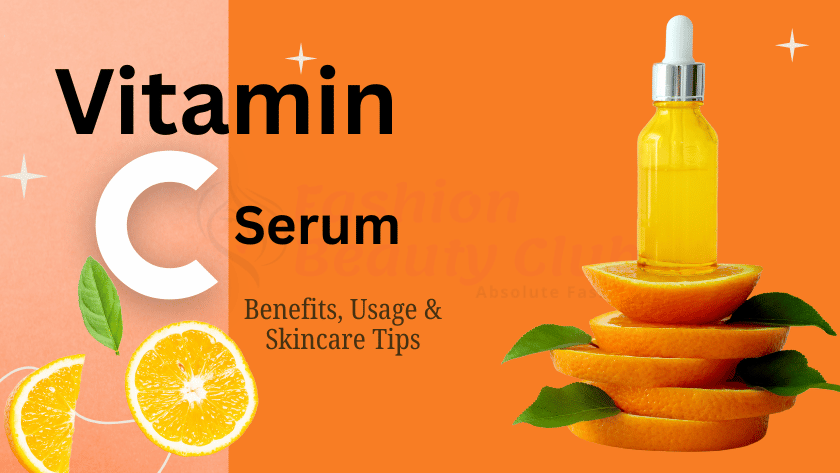
What is Vitamin C Serum?
Vitamin C serum is a lightweight, water- or oil-based skincare product that contains a high concentration of Vitamin C, also known as ascorbic acid. It is designed to be applied topically to the skin to deliver a burst of antioxidants that fight free radicals, brighten the complexion, and improve overall skin health. Unlike eating Vitamin C in fruits or tablets, the serum is directly applied to your skin, allowing it to target specific skin issues like dullness, dark spots, and fine lines.
Vitamin C is a powerful antioxidant, which means it helps protect the skin from harmful elements in the environment, such as pollution, UV rays, and toxins. When formulated into a serum, it becomes one of the most effective ingredients in modern skincare routines.
What Does Vitamin C Serum Do for Your Skin?
1. Brightens the Skin
One of the biggest reasons people use Vitamin C serum is for its brightening effect. It helps reduce dullness and gives your face a healthy, radiant glow. Vitamin C helps inhibit melanin production, which can fade dark spots, sun spots, and hyperpigmentation over time.
2. Fades Acne Marks and Dark Spots
If you have acne scars, pigmentation, or old blemishes that won’t go away, Vitamin C serum can help lighten them. It accelerates skin regeneration, allowing new skin cells to replace damaged ones faster.
3. Boosts Collagen Production
Collagen is the protein responsible for keeping your skin firm, plump, and youthful. As we age, collagen production slows down, leading to fine lines and wrinkles. Vitamin C helps stimulate collagen synthesis, keeping your skin looking younger and firmer.
4. Protects Against Sun Damage
Although it’s not a substitute for sunscreen, Vitamin C adds an extra layer of protection. It helps neutralize free radicals generated by UV rays and pollution, reducing the risk of long-term skin damage.
5. Hydrates the Skin
Many Vitamin C serums also contain ingredients like hyaluronic acid, glycerin, or panthenol that add moisture to the skin. This makes the serum suitable for dry and combination skin types as well.
Table: Types of Vitamin C in Serums
| Type of Vitamin C | Strengths | Best For | Common Concentration |
| L-Ascorbic Acid | Most potent, fast-absorbing | Normal to oily skin; anti-aging | 10%–20% |
| Magnesium Ascorbyl Phosphate | Gentle, hydrating, brightens skin | Dry or sensitive skin | 5%–10% |
| Sodium Ascorbyl Phosphate | Stable, antibacterial, good for acne | Oily and acne-prone skin | 5%–15% |
| Ascorbyl Glucoside | Stable, brightens over time | All skin types, beginners | 2%–10% |
| Tetrahexyldecyl Ascorbate (THD) | Oil-soluble, penetrates deeper, anti-aging | Mature or dry skin | 5%–20% |
Who Should Use Vitamin C Serum?
Vitamin C serum is suitable for all skin types, including:
- Dry Skin – Use a formula with moisturizing ingredients.
- Oily Skin – Look for a lightweight, water-based serum.
- Combination Skin – Choose a balanced formula.
- Sensitive Skin – Start with a lower concentration (5–10%) and patch test first.
- Mature Skin – Use a higher concentration (15–20%) to reduce signs of aging.
How to Use Vitamin C Serum
Using Vitamin C serum correctly is essential to see visible results. Here’s a step-by-step guide:
Morning Routine:
- Cleanser – Wash your face with a gentle cleanser.
- Toner – Optional, helps balance the pH of your skin.
- Vitamin C Serum – Apply 2–3 drops to your face and gently pat it in.
- Moisturizer – Lock in the hydration.
- Sunscreen (SPF 30 or higher) – Very important, as Vitamin C makes your skin more sensitive to sunlight.
Night Routine:
Some people also use it at night, but it’s most effective during the day when environmental damage is at its peak.
How Often Should You Use It?
Start with once a day, preferably in the morning. Once your skin gets used to it, you can apply it twice daily—in the morning and evening. Always follow with sunscreen, especially in the daytime.
Tips for Choosing the Right Vitamin C Serum
- Check the Concentration: Beginners should start with 10% or lower. Regular users can go up to 20%.
- Look for Dark/Amber Bottles: Vitamin C oxidizes when exposed to light and air. A dark bottle keeps the serum stable.
- Check the pH: L-Ascorbic Acid works best at a pH of 3.5 for optimal absorption.
- Combine with Other Actives Carefully: Avoid using it with retinol or AHAs/BHAs at the same time if you have sensitive skin.
Potential Side Effects and Precautions
While Vitamin C is generally safe, some users may experience:
- Mild irritation or tingling, especially if using high concentrations.
- Breakouts in the beginning (known as purging).
- Stinging if applied to broken or damaged skin.
Always do a patch test before using a new serum. If irritation persists, stop using and consult a dermatologist.
How Long Does It Take to See Results?
With regular use, most people start seeing results in 2–4 weeks. Brighter skin, fewer spots, and a more even tone are common visible improvements. For deep pigmentation or wrinkles, it may take 2–3 months of consistent application.
Final Thoughts
Vitamin C serum is a game-changer in skincare. Whether you’re in your 20s trying to keep your skin glowing or in your 40s aiming to reduce signs of aging, this single ingredient can transform your skin health. The key is consistency, the right formulation, and following it with a good skincare routine.