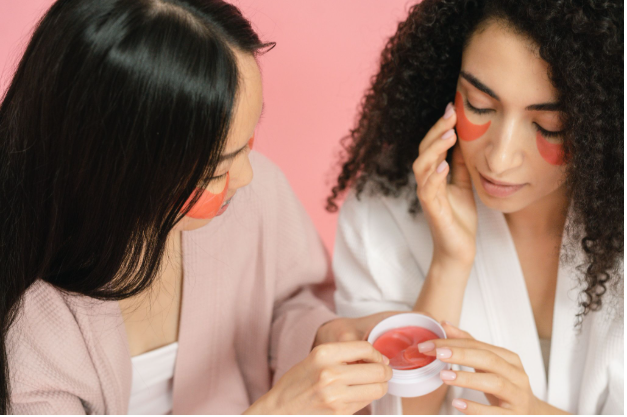
In the last decade, the skincare industry has become a minefield of conflicting information and advice. New skincare products are being manufactured all the time, which is often why advice changes based on new research and products that are developed. But it’s not just ongoing research that has transformed the way we look after our skin today. Consumers are becoming increasingly aware of the damage that things like tanning and poor lifestyle habits can have on our skin’s overall health and appearance. Because of this significant change in customer behaviour, some of the world’s top beauty brands like Milk Makeup are launching beauty products based entirely around enhancing beauty with skin-focused makeup. Before investing in a new skincare routine, it’s useful to know what healthy skin actually looks like, so you can judge which products and brands work best for your skin.
Physical Signs of Healthy Skin
When you picture healthy skin, what do you imagine? Is it glossy, reflective skin with no imperfections? While this can be just one example of what healthy skin looks like, there are many other physical signs of healthy skin that often go unnoticed. Here are a few of them:
Hydrated Skin
An obvious and common sign of glowing skin health is hydrated skin. You can immediately notice if your skin is hydrated, as it will appear bouncy and flexible. Don’t get hydrated skin mixed up with oily skin. Hydrated skin makes your face smooth to the touch. Greasy skin, on the other hand, leaves an oily residue on your fingers when you touch your face.
A Balanced Skin Tone
Undertones and natural pigmentation in the skin differ from person to person, so a healthy skin tone won’t look the same for any two individuals. However, you can determine the health of your skin by looking at how even your skin tone shows up across your face. Areas of redness and dark pigmentation can signify mild skin conditions such as eczema and acne. A consistent tone across the face – with or without freckles – is a key physical sign of healthy skin.
Regulated Skin Texture
Although it can be hard to believe, our skin is a functional, living organ – the largest in the human body, in fact! This is why our skin’s texture isn’t meant to be perfectly smooth. The millions of pores that exist on our skin’s surface have an important role in allowing us to sweat and control our body temperature. Skin textures that are regarded as healthy will be irregular in texture, meaning some areas can appear slightly bumpy while others will be clearer and smooth.
Lifestyle Habits For Healthy Skin
Healthy skin is achievable for everyone. Though it can be significantly harder for some than others. There are hundreds of mild and severe skin conditions that make it difficult to achieve balanced and clear skin. In these cases, even though their skin might not appear in the healthiest condition, they too can achieve healthy skin by focusing on controlling symptoms and looking after their skin’s surface barrier. Skincare professionals recommend following these lifestyle habits for both individuals with skin conditions and those without:
Use SPF In The Sun
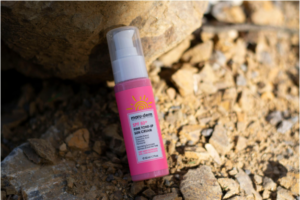
SPF stands for sun protection factor and is used in common skincare products like sunscreen and daily moisturizers. Skincare professionals recommend using SPF in your skincare routine daily – even during the winter months with very little sun. SPF protects the skin by shielding it from harmful UVB rays that can cause premature aging and increased risk of skin cancer.
Avoid Smoking
Smoking causes damage to the skin for a number of different reasons. Firstly, cigarettes are made up of harmful toxins like carbon monoxide and nicotine, which constrict blood flow to the skin, limiting the amount of nutrients and oxygen the skin can receive. Not only that, chemicals in the smoke from cigarettes trigger a reaction in skin cells to break down collagen. Without sufficient levels of collagen in the skin, the face can appear wrinkly and loose.
Consume A Healthy & Balanced Diet
Diet plays a major role in the health and appearance of the skin. It’s recommended to consume a balanced diet which contains fruit, vegetables, protein and whole grains. In fruit and vegetables, you can find powerful antioxidants such as Vitamin C and E, which are especially useful for protecting the skin’s barrier from pollution and UV damage. Another popular food for healthy skin is fatty fish like salmon. Fish contain high levels of omega-3, which is responsible for preventing loss of moisture and collagen from the skin’s barrier.
Treat Your Skin With Care
Your skincare and beauty routine shouldn’t be harsh or use irritating products and ingredients. Make sure to choose products that are dermatologically approved and specific to your skin type. Along with skincare, your beauty product can also be skin-loving as it poses no drying or damaging effects. A good habit to build into your routine is to prep your skin with a face primer before applying makeup. A natural, skin-focused primer can keep your skin hydrated and prevent your pores from clogging when you wear makeup.